5 Video Games That Can Help Students with Anxiety, Creativity, and Collaboration
- Scarlett Foti
- Oct 7, 2025
- 3 min read

For many students, video games are more than just a way to pass the time—they’re a way to de-stress, express creativity, and even connect with others. While gaming sometimes gets a bad reputation, research shows that certain games can positively benefit mental health, problem-solving, and teamwork. If you’re a student looking for healthier ways to use games, here are five titles that can help you manage anxiety, spark creativity, and encourage collaboration.
These titles have been chosen amongst the many games out there as they not only benefit mental health, but are actively played by our coaches here! We can speak from experience when we talk about how these games work to help students and how they affect us!
1. Minecraft
It’s no surprise that Minecraft is one of the best-selling games in history. This sandbox world gives players complete freedom to build, explore, and create whatever they can imagine. Playing Minecraft on peaceful mode offers a calm, pressure-free space where players can relax, while still completing tasks in a way that creative doesn't offer! Building structures, designing landscapes, and experimenting with redstone circuitry encourage creative problem-solving. We've seen players construct monuments to the sky, endless mob farms, or even creating Minecraft inside of Minecraft! Finally, develop communication and collaboration skills through multiplayer or LAN servers! Multiplayer servers allow students to work together on massive projects, fostering teamwork and communication.

2. No Man’s Sky
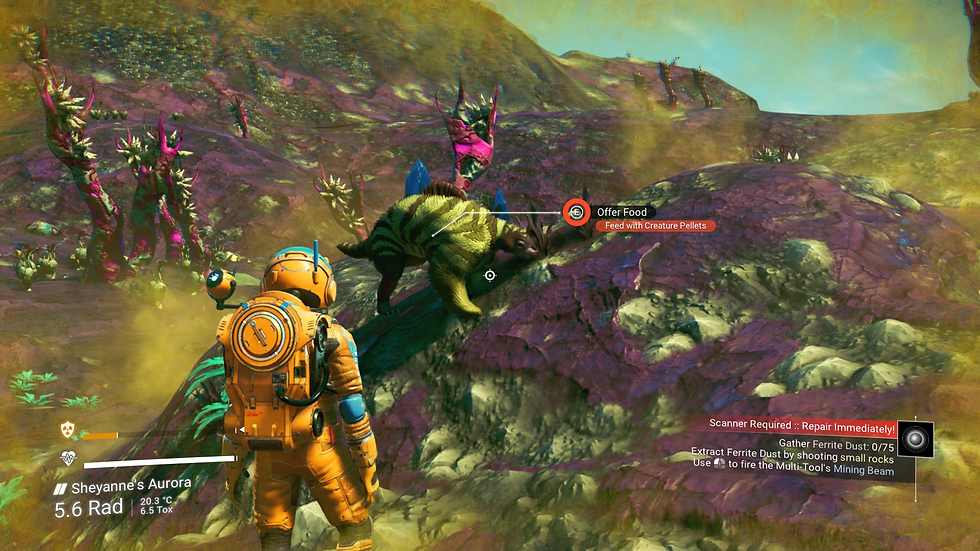
This sci-fi exploration game drops players into an infinite universe filled with planets, species, and ecosystems to discover. What started as a small indie game has grown into a vast community-driven experience. The soothing visuals and ambient music develop an almost meditative experience when exploring new worlds. Players are encouraged to design bases, starships, and even resource systems in endless ways, developing their creative skills! Online play allows friends to explore entire galaxies together, share resources, and build in tandem.
3. Peak
Unlike the other games on this list, Peak is designed for brain training through mini-games and puzzles. Quick, focused challenges can shift attention away from stress and into problem-solving. Travel upwards amongst whimsical scenery, explore and find new resources to make your journey to the peak of the mountain. You're able to play this game as fast or as slow as you like. Use the tasks and terrain to encourage your flexible thinking and explore unique solutions. Students can compete with friends or compare progress, turning brain training into a social motivator, not to mention multiplayer options inspire teamwork to get up the mountain together.

4. Undertale/Deltarune
These indie RPGs by Toby Fox are quirky, emotional, and full of choice-driven storytelling. Rather than focusing on combat, players often make moral decisions that shape the outcome of the game. The humour and heartwarming characters provide comfort and connection. You can take all the time you need to solve puzzles, examine the retro-style graphics, or consider the outcomes of your actions. Players are challenged to think outside the box, especially with unconventional gameplay mechanics. Are these characters really villains? What are the impacts of conflict versus forgiveness? While single-player, the community aspect—sharing theories, fan art, and ideas—encourages social interaction and creative collaboration.

5. Satisfactory
For students who love engineering and problem-solving, Satisfactory is a dream come true. It’s a first-person factory-building game where players automate production lines, optimise systems, and scale up massive projects. Focusing on step-by-step processes can feel calming and structured. Players design complex factory layouts, experimenting with different strategies. Multiplayer mode allows teams to build massive operations together, teaching planning, delegation, and teamwork.

Final Thoughts
Video games don’t have to be mindless distractions—they can be tools for mental wellbeing, creativity, and connection. From calming exploration in No Man’s Sky, to problem-solving in Satisfactory, to building friendships in Minecraft, these games offer meaningful benefits for students navigating stress, school, and social life.
When played mindfully and in balance with other activities, the right games can inspire, relax, and even bring people closer together. So next time you boot up one of these titles, remember—you’re not just playing, you’re learning, creating, and growing.

Comments